
Winter looks beautiful from the window, soft snow, cosy evenings, and your dog staring outside like they’re ready for a winter adventure. But the moment you step out, things change fast. The ground is icy, the air is sharp, and suddenly, your dog is lifting their paws like the floor just betrayed them.
If your pup has ever tiptoed through the cold, licked their paws after every walk, or refused to go outside because “nope, too cold,” you’re not alone.
That’s exactly why this guide exists to help you protect your dog’s paws and coat with easy, practical, winter-proof tips.
Let’s break down the best winter care tips for your dog’s paws and coat, simple, actionable, and vet-recommended.
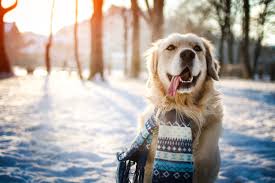
Why Winter Protection Matters for Dogs
Some breeds handle winter like champs. Huskies? Absolutely fine.
Chihuahuas? They’re filing a complaint against the universe.
Cold weather affects all dogs differently, but almost every pup faces:
• Dry, itchy skin
• Paw cracking or bleeding
• Irritation from road salt and ice melt
• Increased shedding or dull coats
• Higher risk of frostbite on paws, ears, and tail
So let’s dive into exactly what you can do to keep them safe, comfortable, and winter-ready.
1. Protect Your Dog’s Paws From Ice, Salt and Frostbite
1.1 Trim the Fur Between Paw Pads
The hair between the pads traps snow and forms tiny ice balls. These hurt and can cause slipping or irritation.
What to do:
• Gently trim long fur between pads
• Use blunt grooming scissors or ask your groomer
• Don’t shave too short — keep a protective layer
1.2 Apply Paw Balm Before Every Walk
Think of paw balm as a winter moisturiser plus a protective shield.
Benefits:
• Prevents cracking
• Creates a barrier against salt and ice
• Keeps paws soft and healthy
Choose balms with shea butter, coconut oil, vitamin E, or beeswax.
Apply before the walk, after the walk, and before bedtime if needed.
1.3 Consider Dog Boots
Some dogs resist boots, but they truly help in harsh winters.
Good for:
• Small breeds
• Senior dogs
• Dogs with sensitive skin
• Areas with heavy salt use
Tips:
• Pick anti-slip, waterproof boots
• Introduce indoors first
• Use treats for positive association
1.4 Rinse or Wipe Paws After Every Walk
Salt causes burning, redness, and itching.
How to clean paws:
• Rinse with warm water
• Use dog-safe wipes by the door
• Dip paws in warm water if salt buildup is heavy
Apply balm again for added protection.
1.5 Check for Cracks or Licking
Check frequently for:
• Dry cracks
• Redness
• Peeling skin
• Splinters or ice cuts
Early detection prevents infection.
2. Keep Your Dog’s Coat Healthy, Warm and Shiny
2.1 Brush More Often
Winter often leads to dry skin, static, and increased shedding.
Brush 2–4 times a week to:
• Reduce matting
• Spread natural oils
• Improve circulation
• Keep the coat shiny
• Reduce itchiness
2.2 Don’t Over-Bathe Your Dog
Too many winter baths strip natural oils.
Best practice:
• Bathe every 4–6 weeks
• Use moisturising or oatmeal-based shampoo
• Avoid hot water
• Dry thoroughly
Use dry shampoo for dogs if they get dirty often.
2.3 Use Conditioner or Skin Moisturiser
Cold air removes moisture from the coat and skin.
Use:
• Leave-in conditioner
• Small amount of dog-safe coconut oil
These help reduce dandruff, dryness, and dullness.
2.4 Hydration Matters
Dogs may drink less in winter, leading to dry skin.
Tips:
• Add warm water to food
• Offer homemade broth with no salt
• Keep clean water always available
• Use a pet fountain for picky drinkers
2.5 Feed a Coat-Healthy Diet
Look for foods rich in:
• Omega-3 fatty acids
• Fish oil
• High-quality protein
• Vitamin E and biotin
Supplements like fish oil (approved by a vet) improve coat shine.
Looking to keep your dog’s coat soft, shiny, and nourished this winter? Explore our specially curated grooming and hygiene essentials.
2.6 Use Sweaters or Jackets
Thin-coated dogs, small breeds, seniors, and puppies need extra warmth.
Choose jackets that are:
• Waterproof
• Insulated
• Cover chest and belly
• Snug but not tight
Looking for a warm, stylish winter layer for your pup? Check out our Dog Classic Sweaters designed for comfort, warmth, and the perfect fit for chilly days.
3. Keep Your Dog Warm Indoors
3.1 Create a Cosy Sleeping Spot
Hard floors get extremely cold.
Add:
• Thick or memory foam beds
• Warm blankets
• A draft-free location
• Sunlight, if possible
3.2 Use a Humidifier
Indoor heating dries the air, leading to itchy skin.
A humidifier helps maintain moisture levels and reduces irritation.
3.3 Beware of Heater and Fireplace Burns
Dogs love heat sources but don’t understand danger.
Keep:
• Heaters at a safe distance
• Fireplaces covered
• Heating pads on low settings only
4. Adjust Walks and Exercise in Winter
4.1 Shorten Walks on Extremely Cold Days
Frostbite can affect paws, ears, and tail quickly.
Instead:
• Increase indoor play
• Use puzzle toys
• Provide snuffle mats
• Teach new tricks
4.2 Avoid Frozen Lakes or Ponds
Even solid-looking ice may not support weight. This is a common winter emergency.
4.3 Stay Visible in Low Light
Winter means darker mornings and earlier evenings.
Use:
• Reflective collars
• LED leashes
• Glow-in-the-dark harnesses
5. When to Call a Vet
Contact your vet if you notice:
• Bleeding paw cracks
• Constant licking
• Limping
• Sores that don’t heal
• Bald patches
• Worsening dandruff
• Extreme shivering
Early care prevents complications.
Final thoughts: Winter Doesn’t Have to Be Ruff
With the right paw protection, coat care, and indoor setup, your dog can enjoy winter safely and comfortably. A little preparation makes a big difference in keeping your dog healthy and happy throughout the cold months.
If you’re looking for more dog-care guides, trusted product recommendations, or helpful resources, visit Lulu Spot. Explore expert-approved tips and the best care essentials to make your dog’s winter warm, safe, and comfortable.