
Many dogs dislike going outside during winter. Cold wind, wet grass, or icy ground can make even well-trained dogs hesitate. Puppies, small breeds, and cold-sensitive dogs are especially prone to holding in their pee or running back inside immediately. With the right approach, you can maintain consistent potty habits even when temperatures drop.
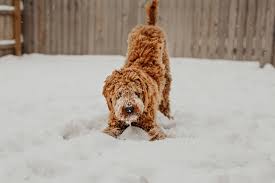
Why Dogs Resist Potty Breaks in Cold Weather
Dogs often refuse to go outside because the surface feels too cold, the environment is uncomfortable, or they’ve had negative experiences with winter weather. Puppies may not yet understand that going outside is non-negotiable. Senior dogs may struggle with joint stiffness or paw sensitivity. For some, the combination of wind, unfamiliar textures, and reduced outdoor time creates anxiety around potty breaks.
Preparing Your Dog for Winter Potty Training
Preparation makes the process smoother and more comfortable.
Use warm coats or sweaters for dogs that get cold easily. Protect paws with balm or booties to prevent discomfort from ice, frost, or salt. Clear a small “potty zone” by brushing away snow or choosing a dry patch of ground. If possible, select a sheltered corner where your dog feels secure.
Step-by-Step Winter Potty Training Method
1. Keep a Predictable Schedule
Dogs learn best through routine. Stick to consistent feeding and potty intervals. Puppies may need breaks every 45–60 minutes.
2. Go Directly to the Potty Spot
Leash your dog and walk them straight to the designated area. Avoid distractions or play before they eliminate.
3. Reward Immediately
Use high-value treats and praise the moment your dog finishes. The warm welcome back indoors reinforces the behaviour. Reward Good Behaviour the Right Way. Explore Our Treat Collection.
4. Gradual Cold Exposure
If your dog is hesitant, start with very short outdoor trips and gradually increase the duration. Confidence grows with repetition.
5. Keep Sessions Short
In winter, the goal is efficiency. Take your dog out, give them time to eliminate, reward, and return inside promptly.
Training Techniques for Dogs Who Strongly Resist Cold
A few targeted methods can help stubborn dogs adjust.
Use scent marking by leaving a small patch of their previous pee to encourage them. Introduce a cue, such as “go potty,” to build an association. For rain- or snow-sensitive dogs, use an umbrella or rain shield to reduce the sensory overwhelm. Before stepping outside, walk your dog indoors for one minute to warm up their muscles and increase comfort.
Using Indoor Potty Options (When Necessary)
On severe weather days, indoor options may be needed. Pee pads or grass pads help maintain consistency when used correctly, without confusing. Assign one indoor spot and avoid shifting locations. Once the weather improves, gradually move the pad closer to the door until outdoor training resumes fully.
Troubleshooting Common Winter Potty Issues
Dogs may hold their pee too long because they are uncomfortable outdoors. Puppies may get distracted by the snow and forget to eliminate. Some dogs run back inside instantly and then pee indoors. In these cases, shorten outdoor sessions, limit distractions, or reset the routine with leash-guided potty breaks.
Mistakes to Avoid
Avoid rushing your dog, as this creates anxiety. Never punish indoor accidents. Maintain consistency even on busy days. Do not leave your dog outside for extended periods in harsh weather, as this leads to fear rather than learning.
When to Consult a Vet
If your dog suddenly refuses to walk, shows signs of paw pain, or struggles to stand on cold surfaces, consult a professional. Medical discomfort can make winter potty training especially challenging.
Conclusion
Cold weather potty training requires patience, warmth, and a structured routine. By preparing your dog, rewarding the right behaviours, and adjusting to winter limitations, you can maintain reliable potty habits all season long. With consistency and comfort, even the most cold-resistant dogs can learn to go outside confidently.
Everything Your Pet Needs, All in One Place. That’s the promise we bring to every product, guide, and experience on LuluSpot.
Explore our curated collections and give your pet the comfort, care, and joy they deserve, every single day.
FAQs
1. Why does my dog avoid going outside in winter?
Cold, wet, or icy surfaces feel uncomfortable, especially for puppies and small breeds.
2. Is winter potty regression normal?
Yes. Many dogs hesitate in harsh weather but improve with comfort and routine.
3. How can I make my dog potty faster outside?
Use a consistent potty spot, give a cue like “Go potty,” and reward immediately.
4. What if my dog pees indoors after coming inside?
They likely weren’t comfortable outdoors. Take them back out and keep the area distraction-free.
5. Can I use indoor potty pads in winter?
Yes, but keep them in one fixed spot to avoid confusion. Transition them outward later.
6. How do I protect my dog’s paws in cold weather?
Use paw balm or booties and clear a small, dry potty zone.
7. Should I punish indoor accidents?
No. Stay consistent with training and reward the correct behaviour.
8. When should I consult a vet?
If your dog shows pain, refuses to walk, or struggles to urinate, seek professional advice.