A shiny, soft coat is one of the clearest signs that your dog is healthy. But when the fur looks dull, dry, or starts shedding more than usual, it often points to something deeper than just grooming.
Many pet owners try shampoos and conditioners first, but the real issue usually starts with diet. What your dog eats directly affects skin health and coat quality.
In this educational guide from LuluSpot, we’ll explain how diet impacts your dog’s coat and what you can do to improve it.
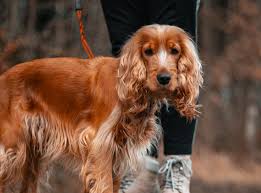
Why Your Dog’s Coat Reflects Overall Health
Your dog’s coat is closely connected to its internal health. Nutrients from food support skin repair, hair growth, and natural oil production, which all affect how the coat looks and feels.
If your dog is not getting the right nutrients, the coat is often the first place where problems appear.
Key Signs of a Healthy vs Unhealthy Coat
| Appearance | Shiny and vibrant | Dull and lifeless |
| Texture | Soft and smooth | Dry, brittle, or rough |
| Shedding | Normal seasonal shedding | Excessive or constant shedding |
| Skin Condition | Clean and hydrated | Flaky, itchy, or irritated |
Essential Nutrients for a Healthy Dog Coat
A healthy coat depends on a balanced mix of nutrients. Each one plays a specific role in maintaining fur strength, shine, and skin health.
Protein: The Foundation of Strong Fur
Hair is primarily made of protein. If your dog’s diet lacks high-quality protein, the coat can become weak, thin, and slow to grow.
Omega-3 and Omega-6 Fatty Acids For Shine and Hydration
These healthy fats help maintain skin moisture and reduce inflammation. They also give the coat its natural shine and softness.
Vitamins and Minerals That Support Coat Health
Vitamins A and E support skin repair, while minerals such as zinc and biotin help strengthen hair and prevent dryness.
| Protein | Builds strong hair structure | Chicken, beef, eggs |
| Omega 3 | Reduces inflammation and adds shine | Fish, flaxseed |
| Omega 6 | Supports skin hydration | Poultry fat, plant oils |
| Zinc and Biotin | Strengthen coat and skin | Whole grains, eggs |
How Poor Diet Affects Your Dog’s Coat
When your dog’s diet lacks essential nutrients, coat problems start to appear gradually.
Common Diet-Related Coat Problems
- Dry, flaky skin
- Excessive shedding
- Thinning or patchy fur
- Lack of shine
These signs are often linked to nutritional imbalance rather than external factors.
Low Quality Dog Food vs Balanced Nutrition
Not all dog foods are created equal. Some contain fillers and low-quality ingredients that do not provide real nutritional value.
| Ingredients | Fillers and by products | Real meat and whole ingredients |
| Nutrient Absorption | Low | High |
| Coat Impact | Dull and weak coat | Shiny and strong coat |
| Skin Health | Prone to dryness | Well hydrated skin |
Best Foods to Improve Your Dog’s Coat Naturally
Improving your dog’s coat starts with better food choices.
High Quality Commercial Dog Food
Look for formulas that list real meat as the first ingredient and include balanced fats, vitamins, and minerals.
Natural Food Additions for Coat Health
You can also support coat health by adding small amounts of natural foods like
- Cooked eggs for protein and biotin
- Fish like salmon for healthy fats
- Flaxseed for added nutrition
- Sweet potatoes for vitamins
Explore nutrient rich dog food options at LuluSpot to support your dog’s coat from the inside out.
How Long Does Diet Take to Improve Coat Quality
Diet changes do not improve coat quality overnight. Hair growth and skin repair take time.
Short Term vs Long Term Changes
| 2 to 4 weeks | Reduced dryness and itching |
| 4 to 8 weeks | Noticeable improvement in softness |
| 8 to 12 weeks | Visible shine and healthier coat growth |
Consistency is key. Frequent diet changes can delay results.
Simple Diet Tips to Maintain a Healthy Coat
Small changes in feeding habits can make a big difference over time.
Feeding Consistency Matters
Stick to a balanced diet and avoid frequent changes unless necessary.
Avoid Sudden Diet Changes
Introduce new foods gradually to prevent digestive issues and imbalance.
Hydration and Coat Health
Water plays an important role in skin hydration. Always ensure your puppy has access to clean water
Final Thoughts
Your dog’s coat reflects its internal health. A dull or rough coat is a sign that the diet needs improvement.
By focusing on quality nutrition, essential fats, and consistent feeding habits, you can support your dog’s skin and coat health over time.
Discover coat supporting dog nutrition at LuluSpot to help your dog look and feel its best every day.