
Nothing is more devastating for a pet owner than witnessing their animal companion continuously lick, bite, or scrape their skin. We’ve all been there, attempting to determine if it’s a seasonal itch or something that has to be taken to the veterinarian. One of the most frequent reasons pets visit the clinic is skin problems, but with the correct information and high-quality grooming supplies, many disorders may be controlled or even avoided.
In this LuluSpot guide, we’ll explain typical skin irritations and examine the best methods to use high-quality products to keep your pet’s coat healthy and free of itching.
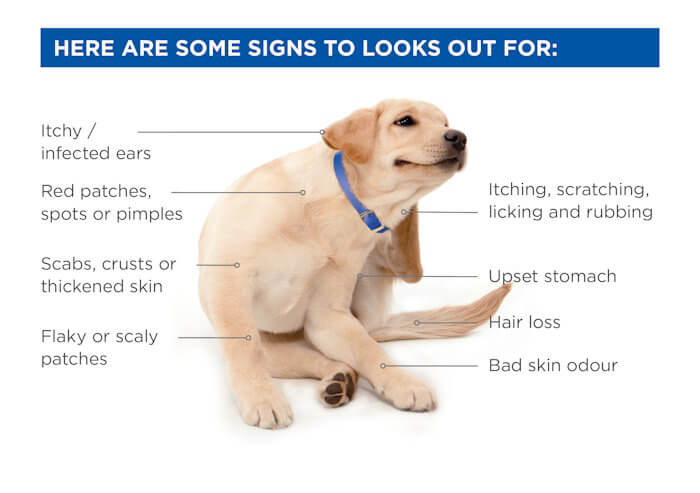
Understanding Common Skin Conditions
It is crucial to identify your condition before we begin any therapies. The three most common offenders are as follows:
- Mange: Mange, which is caused by microscopic mites, can result in crusty sores, severe itching, and hair loss. To eradicate the infestation, a strong, medicated strategy is needed, which is quite unpleasant.
- Dry, Flaky Skin: Dogs can experience dry skin, much like people, as a result of low humidity, a poor diet, or excessive use of harsh soaps.
- Localised Irritation: Often referred to as “hot spots,” these are red, swollen patches that develop when a pet repeatedly licks a particular location because of allergies or insect stings.
Top Skin Care Solutions from Luluspot
To help you manage these issues at home, we have selected three essential products from our collection. Each serves a specific purpose in your pet’s hygiene routine.
Serious skin disorders require this. For many years, Sarcoptic Mange has been successfully treated with this mix. It targets the mites that cause irritation and hair loss while deeply cleaning the skin. This medication is the solution if your pet has fungal infections or persistent “hot spots.”
For pets with general sensitivity or seasonal dryness, this shampoo is a game-changer. Oatmeal is naturally soothing and helps to restore moisture to the skin and coat. It’s gentle enough for frequent use and leaves your dog smelling fresh without using chemicals that strip away natural oils.
Sometimes the issue is limited, such as a tiny area of itchy skin, a dry nose, or cracked paw pads. This balm is a calming, multipurpose cream that is suitable for both cats and dogs. It creates a protective barrier that promotes healing and instantly soothes minor abrasions.
Quick Product Comparison
Use this table to decide which product fits your pet’s current needs:
| Product Name | Primary Use | Best For |
| Happy Jack Mange Medicine | Treating Mange & Fungal Issues | Mites, hair loss, and intense itching |
| Top Performance Oatmeal Shampoo | Routine Bathing & Soothing | Flaky, dry skin and overall hygiene |
| Skin Balm for Dogs and Cats | Targeted Healing | Small rashes, dry nostrils, and cracked paws |
Tips for Maintaining Healthy Pet Skin
Beyond using the right products, a few lifestyle changes can make a world of difference
- Nutrition and Hydration: Make sure your pet eats a diet high in Omega-3 fatty acids, which promote skin flexibility and coat gloss, and gets lots of fresh water.
- Examine for Parasites: Ticks and fleas are major causes of skin dermatitis, so make sure your pet has access to lots of fresh water. Regularly provide a parasite preventive medication to your pet. It is high in Omega-3 fatty acids, which promote coat lustre and skin suppleness.
- Frequent brushing: Brushing stimulates the epidermis and disperses natural oils throughout the coat, which serves as a natural moisturizer, in addition to clearing tangles.
When to See Your Veterinarian
Even if a lot of problems may be effectively fixed at home, be on the lookout for “red flags.” It’s imperative that you consult a specialist if your pet is bleeding on their skin, smells awful, or appears sluggish and loses their appetite. These might indicate a more severe systemic illness that has to be treated with antibiotics.
Final Thoughts
The first line of defence for your pet’s general health is healthy skin. You can make sure your dog or cat is happy and comfortable all year long by being proactive with high-quality shampoos and tailored treatments.
Uncertain about which to choose? To find the ideal fit for your pet’s particular coat type, peruse our whole Skin Care & Hygiene Collection.
FAQs
What are the most common skin problems in dogs?
Allergies, itching, dry skin, hot spots, dandruff, and bacterial or fungal infections.
What causes skin allergies in dogs?
Food allergies, environmental allergens, fleas, and contact with irritants.
How can I tell if my dog has a skin infection?
Redness, odor, hair loss, excessive scratching, scabs, or oozing sores.
What products help treat dog skin issues?
Medicated shampoos, skin supplements, allergy relief sprays, and vet-approved topical treatments.
Are natural products effective for dog skin problems?
Yes, ingredients like oatmeal, aloe vera, and omega-3s can soothe and heal mild conditions.
How often should I bathe a dog with skin problems?
Usually once every 1–2 weeks, unless advised otherwise by a veterinarian.
Can diet affect my dog’s skin health?
Yes, poor nutrition can cause dry skin, itching, and dull coat health.
Do supplements help with dog skin conditions?
Yes, omega-3 fatty acids and skin-support supplements improve skin barrier health.
When should I see a vet for dog skin issues?
If symptoms persist, worsen, or include swelling, pain, or infection signs.
Can dog skin problems be prevented?
Regular grooming, a balanced diet, flea control, and proper skincare help prevent issues.