
Many dogs develop joint problems slowly over time. Because the symptoms appear gradually, owners may mistake them for normal aging or temporary tiredness.
However, small changes in movement or behavior can be early indicators of joint discomfort. Recognizing these signs early can help prevent long-term mobility issues.
In this educational guide from LuluSpot, we’ll explain the early signs of joint problems in dogs, what may cause them, and when it’s time to consult a veterinarian.
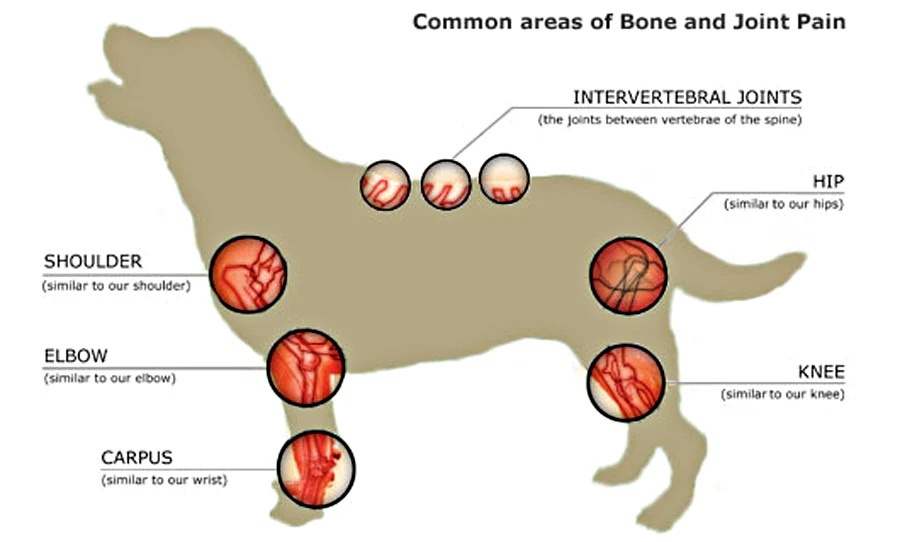
Understanding Joint Problems in Dogs
Joints allow dogs to move comfortably when walking, running, or playing. Healthy joints contain cartilage and fluid that help bones move smoothly.
When joints become inflamed or damaged, movement can become painful. Over time, untreated joint problems may affect a dog’s mobility and quality of life.
Common Causes of Joint Issues
Joint problems in dogs can develop for several reasons.
Common causes include:
• Aging and natural joint wear
• Arthritis and inflammation
• Hip or elbow dysplasia
• Previous injuries
• Excess body weight
• Genetic factors in certain breeds
Understanding these causes helps owners recognize risk factors earlier.
Early Signs of Joint Problems in Dogs
Joint discomfort often begins with small changes in how a dog moves or behaves.
Stiffness After Rest
Dogs with joint discomfort may appear stiff when getting up after sleeping or lying down. The stiffness may improve slightly once the dog starts moving.
This is often one of the earliest signs of joint inflammation.
Difficulty Climbing Stairs or Jumping
If your dog suddenly hesitates to climb stairs, jump onto furniture, or enter a car, joint pain may be the reason.
These activities place pressure on joints, which can become uncomfortable if inflammation is present.
Limping or Favoring One Leg
Limping or shifting weight away from a leg may indicate discomfort in a joint. Some dogs may limp only occasionally, especially after physical activity.
Reduced Activity or Playfulness
Dogs that once enjoyed running or playing may become less active if movement becomes painful.
They may avoid longer walks or stop participating in energetic activities.
Slower Movement During Walks
Joint problems may cause dogs to walk more slowly than usual. Some may lag behind during walks or stop more frequently.
Behavioral Changes
Pain can sometimes affect behavior. Dogs with joint discomfort may become irritable or sensitive when touched around the hips, knees, or shoulders.
Early Joint Symptoms and What They May Indicate
| Symptom | Possible Cause | When to Monitor | When to See a Vet |
| Stiffness after rest | Early joint inflammation | Occasional stiffness | Frequent or worsening stiffness |
| Difficulty jumping | Reduced joint flexibility | Mild hesitation | Refusal to jump or climb |
| Limping | Joint strain or injury | Occasional limp | Persistent limping |
| Reduced activity | Joint discomfort | Slight activity change | Avoiding normal movement |
| Slow walking | Joint pain | Mild slowing | Significant mobility changes |
Dogs More Likely to Develop Joint Problems
While any dog can develop joint issues, some dogs have higher risk factors.
Large Breeds and Joint Stress
Large breeds often place more weight on their joints. This increased pressure can make them more vulnerable to joint conditions such as hip dysplasia or arthritis.
Senior Dogs and Natural Joint Wear
As dogs age, cartilage within joints gradually wears down. This natural process can lead to stiffness and reduced mobility.
Overweight Dogs
Excess body weight increases stress on joints. Maintaining a healthy weight can significantly reduce joint strain.
How to Support Healthy Joints in Dogs
Good daily habits can help maintain joint health and reduce the risk of mobility problems.
Maintain a Healthy Weight
Keeping your dog at an appropriate weight reduces pressure on joints and supports better mobility.
Provide Regular Low-Impact Exercise
Consistent walks and moderate activity help maintain joint flexibility and muscle strength.
Choose Nutrient-Rich Dog Food
Balanced nutrition supports overall health and may contribute to stronger joints.
Nutrients That Support Joint Health in Dogs
| Nutrient | Benefit for Joints | Common Sources |
| Omega-3 fatty acids | Helps reduce inflammation | Fish oil, salmon |
| Glucosamine | Supports cartilage health | Joint-support supplements |
| Chondroitin | Maintains joint flexibility | Joint formulas |
| Antioxidants | Supports tissue health | Fruits and vegetables |
You can learn more about proper feeding practices in LuluSpot’s guide on healthy dog nutrition tips.
When to Consult a Veterinarian
Occasional stiffness may not always indicate a serious issue. However, if symptoms continue or worsen, veterinary evaluation becomes important.
Persistent limping, significant mobility changes, or visible discomfort during movement should be assessed by a veterinarian.
It can also help to review other dog health warning signs every owner should know so you can recognize potential issues early.
Conclusion
Joint problems in dogs often begin with subtle signs such as stiffness, slower movement, or reduced activity. Paying attention to these early changes can help owners respond quickly and protect their dog’s mobility.
With proper care, balanced nutrition, and early veterinary guidance, many joint issues can be managed effectively. Stay Active & Pain-Free Discover Bone & Joint Support