
Nail trimming might seem simple, but for many dogs, it feels like a full-blown event. Shaking paws, dramatic yelps, running away the moment they hear the clipper if this sounds familiar, you’re not alone. Nail anxiety is extremely common, and the good news is this guide will walk you through exactly how to trim your dog’s nails safely, calmly, and without stress.
This step-by-step method is designed to build confidence for both you and your dog, turning nail trimming from a struggle into something predictable and stress-free.
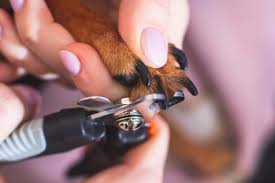
Why Nail Trimming Matters for Your Dog’s Health
Long nails aren’t just cosmetic; they can cause serious discomfort.
Long nails can lead to:
• Posture problems
• Joint pressure
• Difficulty walking
• Painful splits or cracks
• Increased risk of injury indoors and outdoors
Keeping nails short improves your dog’s mobility, comfort, and overall confidence.
1. Understand Why Your Dog Is Nervous
Before trimming, it helps to understand the fear.
Common reasons dogs get anxious:
• Bad experience
• Sensitive paws
• Loud sound of clippers
• Fear of restraint
• Confusion about what’s happening
Understanding the root cause helps you respond calmly and gently.
2. Tools You Need for a Safe Trim
Using the right tools makes a huge difference.
Recommended tools:
• Sharp nail clippers (guillotine or scissor type)
• Nail grinder for smoothing edges
• Styptic powder
• High-value treats
• A non-slip mat
• A helper (optional)
Good tools = cleaner cuts and less fear.
3. Introduce the Tools Slowly
Rushing causes fear. Preparation creates trust.
How to desensitise:
• Let your dog sniff the clipper
• Place it near their paw without trimming
• Click the clipper in the air so they get used to the sound
• Reward with treats every time they stay relaxed
Repeat this for a few sessions if your dog is very fearful.
Upgrade your grooming routine with our gentle, effective Pet Nail Clipper, designed for safe, stress-free trims every time.
4. Choose the Right Position for Comfort
Every dog prefers a different trimming position.
Try one of these:
• Sitting on the floor with your dog between your legs
• Your dog is lying on their side
• A helper holding the dog gently
• For small dogs: place them on a table
Comfort reduces resistance.
5. Start By Handling the Paws Gently
Many nervous dogs hate their paws being touched.
Build tolerance by:
• Massaging their paws
• Touching each toe individually
• Rewarding after each step
• Practising this daily
Only move ahead once your dog stays calm.
6. Trim Tiny Bits at a Time
When trimming begins, less is more.
Best approach:
• Trim just the very tip
• Hold gently
• For light nails: stop before the pink quick
• For dark nails: trim small bits until you see a chalky white centre
This keeps the experience safe and pain-free.
Keep your dog’s nails perfectly shaped with the premium Andis Nail Clipper, built for precision and comfort.
7. Use Treats Strategically
Treats can turn trimming into a positive routine.
Try this:
• Reward after each nail
• Use lick mats or peanut butter on a wall
• Give calm verbal praise
Your dog begins associating nail trims with good things.
Looking for high-value treats your dog will love? Explore our premium selection of dog treats at Lulu Spot and make training easier than ever.
8. Switch to a Nail Grinder If Needed
Some dogs prefer grinding over clipping.
Benefits of grinders:
• Smoother finish
• Less chance of cutting the quick
• Great for thick nails
• Quieter options available
Introduce gradually and use low speed at first.
9. Stop If Your Dog Gets Too Stressed
Stopping is part of the training.
Signs to pause:
• Heavy panting
• Pulling away
• Trembling
• Flattened ears
• Whining
A calm experience is more important than finishing all nails at once.
10. Keep Consistency in the Routine
Nail trims get easier with regular practice.
Tips:
• Trim every 2–3 weeks
• Keep sessions short
• Reward generously
• Maintain calm energy
Routine builds confidence and reduces fear.
11. When to Seek Professional Grooming Help
Some dogs need expert handling, and that’s completely normal.
Consider a groomer if:
• Your dog becomes aggressive
• You can’t see the quick clearly
• Nails are extremely overgrown
• You feel anxious doing it yourself
A professional ensures safe trimming and can help reset your dog’s fear response.
Conclusion
With patience, the right tools, and gentle desensitisation, even the most nervous dogs can learn to tolerate (and sometimes even enjoy) nail trimming. Start slow, reward often, and focus on creating a calm environment every time.
If you want expert grooming tools, paw balms, or hygiene essentials to make trimming easier, explore high-quality options tailored for dog care on Lulu Spot.
FAQs:
How often should I trim my dog’s nails?
Most dogs need trimming every 2–4 weeks, depending on activity level and nail growth.
What if I accidentally cut the quick?
Use styptic powder to stop bleeding. Comfort your dog and pause trimming for the day.
Are grinders better than clippers?
Both work well. Grinders are safer for beginners because you’re less likely to cut too short.
Why does my dog hate nail trimming so much?
Past trauma, sensitive paws, and loud sounds are common triggers. Slow, positive introduction helps.
Can walking on pavement naturally file nails?
Yes, but not enough for most dogs. You still need regular trims.
Should I sedate my dog for nail trims?
Only under veterinary guidance. Try training and desensitisation first.
Do all dogs need nail trimming?
Yes. Even active dogs can develop overgrown nails without regular care.