
Training a dog is all about rewards. When dogs do something right and get something they like, they want to do it again. This is how dogs learn.
Many dog owners ask the same question: Should I use treats or regular food for dog training?
Both can work very well, but they are not the same. This guide will help you understand the difference so you can choose what is best for your dog.
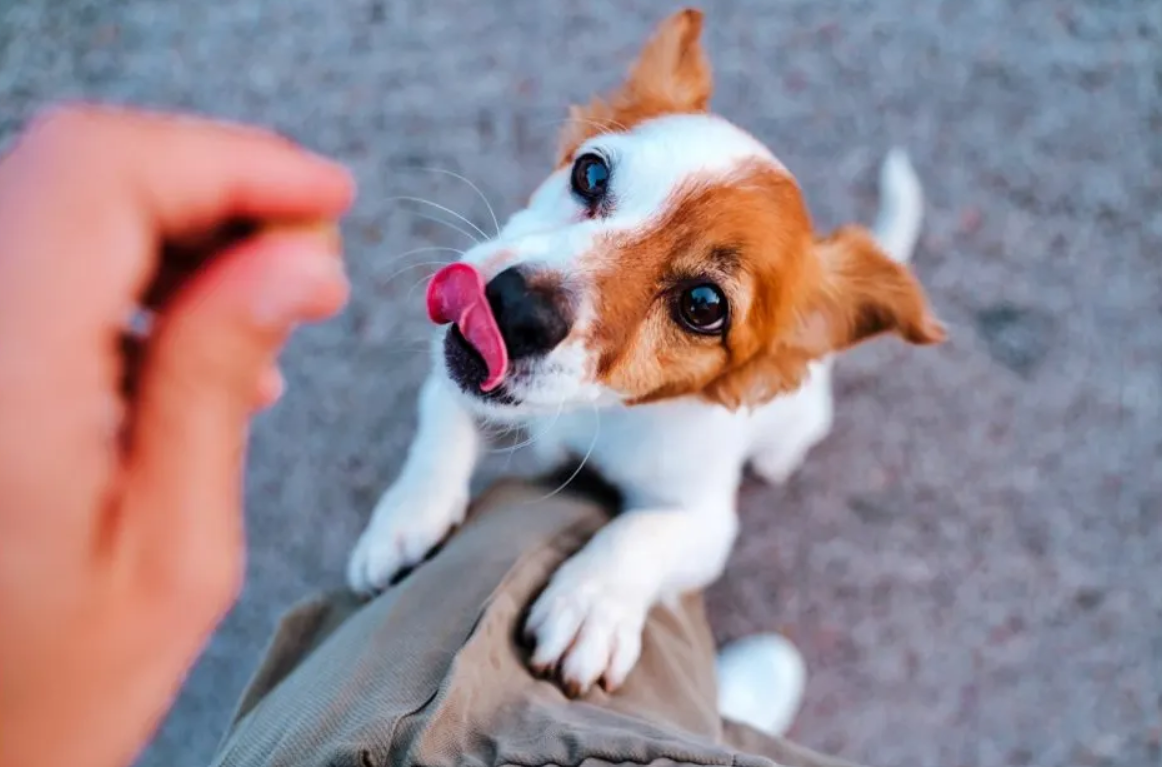
What Are Treats in Dog Training?
Dog treats are small snacks made just for dogs. They usually smell strong and taste very good to dogs. Training treats are often soft and tiny, so dogs can eat them quickly and get back to training.
People use treats because dogs love them. Treats grab a dog’s attention fast. This is helpful when teaching something new or training in places with noise and distractions.
Common dog training treats include:
- Soft bite-sized treats
- Meat-based treats
- Homemade treats like small pieces of chicken
Treats are often called high-value rewards because dogs find them very exciting.
What Are Food Rewards?
Food rewards mean using your dog’s regular food instead of treats. This is usually dry kibble or normal meal food. Some owners use part of their dog’s daily meal during training.
Food rewards are simple and easy. You already have the food, and it helps avoid giving extra calories. Many dogs are happy to work for their regular food, especially when they are a little hungry.
Food rewards work best when training at home or practising skills your dog already knows.
How Dogs Learn From Rewards
Dogs learn by connecting actions with results.
If a dog sits and gets something good, the dog learns that sitting is a good idea.
This is called reward-based dog training.
It does not use fear or punishment. It uses positive rewards.
The most important thing is timing.
The reward must come right after the good behaviour. If you wait too long, the dog may not understand what it did right.
It does not matter if the reward is big or small. What matters is that the dog likes it.
Benefits of Using Treats for Dog Training
Treats are very helpful in many training situations.
Benefits include:
- Dogs focus faster
- Great for puppies who are learning everything
- Helps with new or difficult commands
- Works well outside where there are distractions
- Useful for shy or stubborn dogs
Treats are especially good when your dog is learning something for the first time, like “sit,” “stay,” or “come.” Make every training session more effective. Shop our high-quality dog treats perfect for rewards and positive reinforcement.
Benefits of Using Food Rewards
Food rewards also have many benefits.
Benefits include:
- Healthier for daily training
- Helps prevent weight gain
- Easy to use during mealtime
- Good for long training sessions
- Simple and cost-friendly
Using kibble for training can be a great choice when practising easy commands your dog already understands.
When Treats Work Better Than Food
Treats are better in these situations:
- Teaching a brand-new command
- Training puppies
- Training outside the home
- Training around other dogs or people
- Dogs that get distracted easily
In these cases, regular food may not be exciting enough to keep your dog focused. Training works best when rewards are healthy and consistent. Explore our range of dog treats made for positive training and everyday rewards.
When Food Rewards Work Better Than Treats
Food rewards work better when:
- Practicing commands your dog already knows
- Doing short daily training at home
- Dogs that gain weight easily
- Training multiple times a day
Using food rewards helps keep training healthy and balanced.
Can You Use Both Treats and Food?
Yes, and this is often the best choice.
Many trainers use both treats and food rewards.
Treats are used for hard tasks, and food is used for easy ones.
For example:
- Use treats to teach “stay”
- Use kibble to practice “sit”
This keeps training fun without giving too many treats.
Common Mistakes Dog Owners Make
Some mistakes can slow down training.
Common mistakes include:
- Giving too many treats
- Rewarding too late
- Using treats for every single action
- Forgetting to reduce rewards over time
As dogs learn, they should slowly get fewer rewards. This helps them listen even without food.
How to Choose the Best Reward for Your Dog
Every dog is different. What works for one dog may not work for another.
Think about:
- Your dog’s age
- Your dog’s size
- Energy level
- Health needs
- What your dog likes most
Some dogs love treats. Others are happy with regular food. The best reward is the one your dog enjoys and responds to.
Final Thoughts
There is no single best answer. Both treats and food rewards work for dog training. Treats are great for learning new things. Food rewards are great for daily
The most important things are patience, consistency, and kindness. When training is positive and fun, dogs learn faster and enjoy it more. Every dog learns differently, but better rewards make training easier. Explore our trusted dog treats from Lulu Spot recommended by pet parents.