
Have you ever noticed that your dog seems a little “different” once winter arrives? Maybe they sleep more. Maybe they don’t want to go outside. Or maybe they suddenly become extra clingy. If you’ve been wondering, “Is this normal?” Yes, it is. Winter affects dogs more than most owners realise.
Let’s walk through what actually changes, why it happens, and what you can do to help your dog feel their best this season.
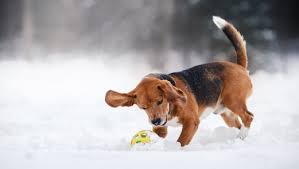
So, why does winter affect dogs at all?
Think about how you feel when temperatures drop and days get shorter. Dogs experience similar shifts. Less sunlight can influence their mood and internal clock. Cold ground and chilly winds make outdoor time less appealing. And routines often change during winter, which dogs are sensitive to.
Some dogs love winter. Others need time to adjust. Both responses are normal.
Common Behaviour Changes You May Notice
As the season sets in, you might start spotting patterns like:
• Your dog sleeps more and wants to stay curled up.
• They follow you around the house because they’re bored or under-stimulated.
• Evening restlessness because they didn’t burn enough energy during the day.
• Increased barking or attention-seeking indoors.
• More appetite, asking for extra treats or meals.
• Hesitation or outright refusal to step on cold, wet ground.
If you’re nodding along — you’re not alone. Most dogs show at least two of these behaviours in winter.
But what causes these changes?
Here’s the simple version: winter shifts your dog’s environment faster than their behaviour can adapt.
• Fewer walks = more pent-up energy.
• Less sunlight = lower mood and slower motivation.
• Cold surfaces = discomfort or mild pain.
• Indoor confinement = boredom and clinginess.
• Limited social interaction = frustration or loneliness.
Even confident, well-trained dogs feel the difference.
Protect Your Pup From the Cold. Discover Winter Clothing Today.
When should you be concerned?
Most changes are harmless, but a few signals deserve attention:
• Sudden aggression or irritability.
• Refusing to go out completely, even for short walks.
• Unusual weight changes.
• Persistent paw lifting or limping on cold ground.
• Day-long lethargy that feels “off.”
These might indicate underlying discomfort or weather-related stress.
What Can You Do to Help Your Dog This Winter?
| Tip | What to Do | Why It Helps |
|---|---|---|
| 1. Create a Winter Routine | Keep feeding, play, and walk times consistent even if your own schedule shifts. | Predictability reduces anxiety and helps your dog feel secure. |
| 2. Add Indoor Enrichment | Use sniff games, treat puzzles, lick mats, hide-and-seek, and short training sessions. | Mental stimulation burns energy and prevents boredom-related behaviour issues. |
| 3. Make Outdoor Time Comfortable | Use coats/sweaters, paw balm or booties, short potty breaks, and warm-up play before going outside. | Increases comfort, reduces cold-related stress, and encourages outdoor elimination. |
| 4. Reinforce Calm Behaviour Indoors | Work on “stay,” “settle,” loose-leash walking inside, and place training. | Builds self-control, reduces hyperactivity, and keeps your dog well-behaved during indoor months. |
Final Thought
Winter behaviour changes are completely normal, but they’re also a sign that your dog relies on you to help them adjust. With small tweaks in routine, warmth, and stimulation, you can make this season comfortable and enjoyable for them. Make Training Easy and Stress-Free. Get a Puppy Starter Kit.